- Population
- ~16,300,000 (14.7-18.3 million)
- Language
- Standard Arabic
- Religion
- Islam - Sunni
- Location
- Throughout Syria outside the Alawite coastal mountains and Suwayda: Damascus and Rif Dimashq, Aleppo, Idlib, Homs, Hama, Daraa, Raqqa, Deir ez-Zor
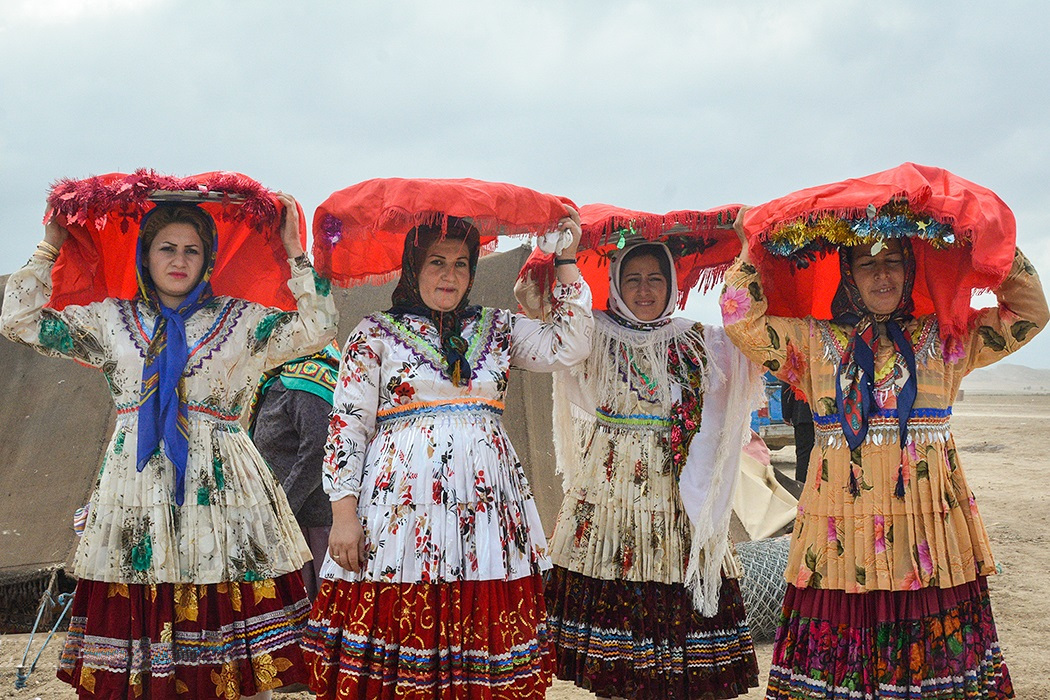
The Syrian Sunni Arabs are the Arabic-speaking Sunni Muslim majority of Syria, about two in three of its people, living in the great inland cities of Damascus, Aleppo, Homs and Hama, the olive hills of Idlib, the farming clans of the Hauran and the tribal towns of the Euphrates. Their identity mixes pride in old cities, such as Damascus, the Umayyad capital, and Aleppo, with its covered souq stretching some 13 kilometres, with loyalty to clan and tribe. They bore most of the deaths, destruction and exile of the 2011-2024 war; millions still live in camps or abroad, and over a million and a half refugees have come home since the fall of the Assad government in December 2024. Since then a Sunni-led transitional government has rebuilt the state's religious institutions around a new Grand Mufti, and Sunni Arabs, long excluded from power, now hold most senior posts. The figure includes the settled majority of the desert tribes, Anizah, Shammar, Na'im and others, who now live in towns and villages, and the 300,000-600,000 qeltu-speaking Syrians of Deir ez-Zor and the Euphrates valley, whom JP also counts in 'Arab, North Iraqi'; that group's Syria presence is excluded as counted here.
Read more- Population
- ~2,000,000 (1.7-2.4 million)
- Language
- Levantine Arabic
- Religion
- Islam - Alawite
- Location
- Coastal mountains and plain of Latakia and Tartus (Qardaha, Jableh, Baniyas, al-Shaykh Badr, Dreikish); Alawite quarters of Homs and Damascus; Masyaf and the Ghab (Hama)
The Alawites are an Arabic-speaking people of an esoteric faith that reveres Ali, the Prophet's cousin, as the manifestation of God, and whose homeland is the forested coastal mountains above Latakia and Tartus. For centuries poor tenant farmers hidden in mountain villages crowned by white-domed saints' shrines, they rose through the army after independence, and from 1970 the Assad family of Qardaha ruled Syria with Alawite officers at its core. Since the regime fell in December 2024 they have become the most exposed community in the country: over 1,400 people, mostly Alawite civilians, were killed on the coast in March 2025, and soldiers, officials and their families lost jobs and homes. Many still live in fear or have fled to Lebanon, while some sheikhs now call for federalism and international protection.
Read more- Population
- ~1,700,000-2,200,000
- Language
- Northern Kurdish
- Religion
- Islam - Sunni
- Location
- Jazira (Qamishli, Amuda, Derik, Darbasiyah, Hasakah), Kobani, Afrin (Kurd Dagh), Kurdish quarters of Aleppo (Sheikh Maqsoud, Ashrafiyah) and Damascus (Rukn al-Din)
The Kurds are Syria's largest minority, Kurmanji-speaking Sunni Muslims who live in three blocks along the Turkish border: the wheat plains of the Jazira around Qamishli, the Euphrates town of Kobani, and the olive-covered hills of Kurd Dagh around Afrin, with old quarters in Aleppo and Damascus. Many Jazira families came from Anatolia in the 1920s and 1930s, and the 1962 Hasakah census left more than 120,000 Kurds stateless for generations until a January 2026 decree restored their nationality, named Kurdish a national language and made Newroz a national holiday. During the war Kurdish-led forces ran their own administration in the northeast and defended Kobani against the Islamic State; in 2018 most of Afrin's Kurds were driven out, and since 2026 families have been returning to looted homes and groves. Newroz on 21 March, with bonfires on the hills outside Qamishli and Afrin and long line dances, is the great festival of their identity.
Read more- Population
- ~700,000 (600,000-800,000)
- Language
- Levantine Arabic
- Religion
- Other - Druze
- Location
- Suwayda governorate (Jabal al-Arab); Jaramana and Ashrafiyat Sahnaya near Damascus; Hader and the Mount Hermon villages; Jabal al-Summaq (Idlib)
Syria's Druze are the largest Druze community in the world, an Arabic-speaking people of a closed faith that broke from Ismaili Islam a thousand years ago, living mostly on the black basalt mountain of Jabal al-Arab around Suwayda and in suburbs of Damascus. Their stone villages, built from Roman ruins, are ruled by clan elders and white-turbaned initiated sheikhs, and their hero Sultan al-Atrash led the 1925 revolt against French rule. After clashes with forces of the new government and Bedouin tribal fighters in 2025 left over 1,700 dead and some 36 villages burned, Suwayda became a self-governing enclave under the spiritual leader Sheikh Hikmat al-Hijri. Many families are still displaced, and the province lives under a tight squeeze on roads, salaries and supplies.
Read more- Population
- ~300,000-500,000
- Language
- Levantine Arabic
- Religion
- Islam - Shia
- Location
- Ismailis: Salamiyah (Hama), Masyaf, Qadmus and the Khawabi valley (Tartus); Twelvers: Damascus Old City, Sayyida Zaynab, Nubl and al-Zahraa (Aleppo), Homs villages
Syria's Shia Arabs belong to two branches of Shia Islam that set them apart from the Sunni majority and from the Alawites: the Nizari Ismailis, who follow a living imam, the Aga Khan, and the Twelvers, who revere the shrines of Zaynab and Ruqayya, granddaughters of the Prophet, in Damascus. The Ismailis, perhaps a quarter of a million, have farmed the desert-edge plain around Salamiyah since an Ottoman decree let them resettle the ruined town in 1849, and also live below the medieval castles of Masyaf and Qadmus in the coastal mountains. The Twelvers are scattered in the Old City of Damascus, the shrine town of Sayyida Zaynab, the enclave of Nubl and al-Zahraa north of Aleppo and villages around Homs. Since the fall of the Assad government in December 2024, which they were seen to back, thousands of Twelvers have fled to Lebanon, Iraq and Iran, while Salamiyah's Ismaili council negotiated a peaceful handover of its town.
Read more- Population
- ~300,000 (250,000-450,000)
- Language
- Arabic, Levantine
- Religion
- Christianity
- Location
- Damascus and Saidnaya, Wadi al-Nasara and Homs, Mhardeh and Suqaylabiyah (Hama), Latakia, Tartus and Safita, Aleppo, Suwayda, the Hauran and the Jazira
The Syrian Arab Christians are the Arabic-speaking heirs of the churches of Antioch and Damascus, mostly Greek Orthodox and Melkite Catholic, whose faith in this land goes back to the apostle Paul's baptism in Damascus. Once about one Syrian in ten, they have dwindled through emigration to a few hundred thousand, living in the old Christian quarters of Damascus and Aleppo, the green 'Valley of the Christians' below the Crusader castle of Krak des Chevaliers, and Orthodox towns such as Mhardeh and Suqaylabiyah. On the Feast of the Cross each September bonfires blaze on hilltops and rooftops, and pilgrims climb to the convent of Our Lady of Saidnaya. Since the fall of the Assad government they have lived openly but anxiously, shaken by the June 2025 suicide bombing of Mar Elias church in Damascus and sporadic attacks on Christian towns.
Read more- Population
- ~150,000-250,000
- Language
- South Azerbaijani
- Religion
- Islam - Sunni
- Location
- Northern Aleppo countryside (al-Rai, Azaz, Jarabulus, al-Bab), Aleppo city, Jabal al-Turkman (Bayırbucak) in Latakia, villages around Homs and Hama, Golan villages and Damascus, Tal Abyad and Raqqa
Syria's Turkmen are Turkish-speaking Sunni Muslims descended from Oghuz tribes who came with the Seljuks in the 11th century and were settled by the Ottomans on the edges of Aleppo, the Latakia mountains, Homs, Hama and the Golan. Their village speech is close to the Turkish of Kilis, Gaziantep, Urfa and Hatay just across the border, and they look to Turkiye as their kin state, while many urban families of Turkmen descent now speak only Arabic. During the war Turkmen brigades fought the Assad government, and Russian and government bombing emptied the forested hills of Jabal al-Turkman, sending hundreds of thousands into Turkiye. Their blue-white-blue flag and the bilingual Arabic-Turkish street signs of al-Rai mark the communities rebuilding since 2024.
Read more- Population
- ~75,000-150,000
- Language
- Adyghe
- Religion
- Islam - Sunni (Hanafi)
- Location
- Damascus (Rukn al-Din, Muhajireen), Qudsaya, Marj al-Sultan; Golan villages Bir Ajam and Bariqa (Quneitra); Ayn al-Niser and other villages north-east of Homs; Aleppo, Manbij and Khanasir
Syria's Circassians descend from Muslim refugees driven out of the north-western Caucasus by Russia after 1864, whom the Ottoman authorities settled in the 1870s on the Golan, around Damascus and Homs and along the Euphrates frontier as a buffer against Bedouin raids. Families of the Abzakh, Shapsugh, Bzhedugh and Kabardian tribes make up one community of perhaps 75,000 to 150,000 that founded Quneitra and Marj al-Sultan, lost their Golan villages when Israel took the plateau in 1967, and now live mostly in the Rukn al-Din quarter of Damascus, where their charity association has kept dance, language classes and the Adyghe Khabze code of honour alive since 1948. Sunni Muslims who speak mainly Arabic today, they trace belonging through the father and encourage marriage within the community, and some families still refuse to eat Black Sea fish in memory of those who drowned in the exodus. Only Bir Ajam and Bariqa remain of the Golan villages, now under Israeli patrols, and many families have emigrated to Turkiye, Europe, North America and the Caucasus since 2011.
Read more- Population
- ~15,000-25,000
- Language
- Armenian
- Religion
- Christianity - Armenian Apostolic
- Location
- Aleppo (Midan, Suleimaniyeh, Jdeydeh, Villaner, Sheikh Taha), Kessab and Latakia on the coast, Damascus, and Qamishli, Hasakah and al-Malikiyah in the Jazira
Syria's Armenians descend mostly from survivors of the 1915 genocide, whose death marches ended in the desert around Deir ez-Zor, and from refugees who left Cilicia and Alexandretta between 1921 and 1939; an older community had lived in Aleppo since the Middle Ages. Aleppo became the largest Armenian city in the Arab world, with its own quarters, a dozen schools, the Forty Martyrs Cathedral and a weekly paper, while Kessab, a pine-forested mountain town on the Turkish border, has been Armenian for centuries. They speak Western Armenian at home and Arabic in public, and belong to the Armenian Apostolic Church with Catholic and Evangelical minorities. About 100,000 before 2011, the community has shrunk to perhaps a fifth of that through emigration to Armenia, Lebanon and the West, and Armenian schools now take Arab Christian pupils to stay open.
Read more- Population
- ~10,000-25,000
- Language
- Turoyo
- Religion
- Christianity - Syriac Orthodox
- Location
- Qamishli, Hasakah, al-Qahtaniyah (Tirbespi), al-Malikiyah (Derik) and nearby villages in Hasakah governorate
Syria's Turoyo-speaking Syriacs descend from Christians of Tur Abdin, Mardin and Nusaybin who fled the 1915 Sayfo massacres and later persecution into the Jazira, where in the 1920s they founded Qamishli across the border from Nusaybin and many of the region's early towns. They speak Turoyo, a living Aramaic language, alongside Arabic and often Kurdish, belong mainly to the Syriac Orthodox Church, and call themselves Suryoye, with some identifying as Arameans and others as Assyrians. Qamishli's quarters still carry the names of Tur Abdin villages, and its church schools, scouts and choirs keep the language and the West Syriac chant alive. Waves of emigration to Sweden, Germany and the Netherlands since the 1950s, and above all since 2011, have reduced a people who were once a fifth of the Jazira to a small and ageing community.
Read more- Population
- ~10,000-25,000
- Language
- Northern Kurdish
- Religion
- Yazidism
- Location
- Hasakah governorate (Qahtaniyah, Amuda, Hasakah, Qamishli, Darbasiyah and Ras al-Ayn villages) and the Kurd Dagh villages of Afrin (Qastal Jindo, Basufan, Faqira, Burj Abdalo, Qibar, Shadeira)
Syria's Yazidis are Kurmanji-speaking followers of an ancient faith centred on Tawûsî Melek, the Peacock Angel, living in two old communities: the olive villages of Kurd Dagh around Afrin and the wheat villages of the Jazira around Qahtaniyah, Amuda and Hasakah. They share the language and much of the village life of their Kurdish Muslim neighbours, but membership comes only by birth within their castes of sheikhs, pirs and murids, and their faith has never been legally recognised. Their numbers have fallen from tens of thousands to perhaps 10,000-25,000 through emigration to Germany and the 2018 flight from Afrin, where more than half of the region's 19 shrines were looted or bulldozed. Since mid-2026 families have been returning to villages such as Qastal Jindo and Faqira, lighting candles and oil lamps in the niches of ruined shrines on Wednesday and Friday nights.
Read more- Population
- ~12,000-18,000
- Language
- Western Neo-Aramaic
- Religion
- Sunni Islam majority with a Christian minority
- Location
- Jubb'adin and Maaloula, Qalamoun mountains (Rif Dimashq); Maaloula families in Damascus; Bakh'a empty since 2014
Western Arameans are the last speakers of Western Neo-Aramaic, the closest living relative of the Aramaic spoken in Galilee in the time of Jesus, and they live in the Qalamoun mountains about 55 km north-east of Damascus. Unlike Syria's other Aramaic speakers, they are mostly Sunni Muslims: the people of Jubb'adin and Bakh'a became Muslim in the 18th century, while neighbouring Maaloula stayed Christian, so mosque and monastery share one language. Jubb'adin, where children still learn Aramaic before Arabic, is now the heart of the language, while most of Maaloula's Christians have moved to Damascus and Bakh'a has stood empty and in ruins since 2014. Maaloula's cliffside convent of Saint Thecla, its 4th-century monastery of Mar Sarkis and the bonfires of the Feast of the Cross every September draw pilgrims of both faiths.
Read more- Population
- 5,800
- Language
- Chechen
- Religion
- Islam - Sunni
- Location
- Ras al-Ayn and al-Safh on the upper Khabur (Hasakah governorate), Hasakah and Qamishli; Damascus (Masakin Barzeh, Muhajirin); a few families in Raqqa and Deir ez-Zor
Syria's Chechens descend from Muslim emigrants who left the North Caucasus after the Russian conquest and were settled by the Ottomans on the upper Khabur river from 1864 and on the Golan heights around Quneitra in 1878-1882. On the Khabur they rebuilt the abandoned town of Ras al-Ayn, which they call Khikorta, and founded the nearby village of al-Safh, named Batak-yurt after one of Imam Shamil's commanders; Chechens served as Ras al-Ayn's first mayors. Malaria, raids by Bedouin tribes and later land reform shrank the villages, and the Golan families were driven to Damascus in 1967, where most now speak only Arabic. Around Ras al-Ayn older people still speak Chechen and families marry within the community, though people under thirty have largely lost the language. Their town has changed hands repeatedly since 2013, and since 2019 many residents have been displaced.
Read more- Population
- 5,000
- Language
- Chaldean Neo-Aramaic
- Religion
- Christianity - Chaldean Catholic
- Location
- Aleppo (St Joseph Cathedral), Hasakah, Qamishli and al-Malikiyah in the Jazira, and Damascus
Syria's Chaldeans are a small Catholic community of the East Syriac tradition, served by a single eparchy based at St Joseph's Cathedral in Aleppo. Some Aleppo families trace their presence in the city to the 16th century, others to Chaldeans who came from southeastern Turkey to the Jazira after the First World War, and Damascus received tens of thousands of Iraqi Chaldean refugees after 2003. Most speak Arabic in daily life and keep Syriac in the liturgy of Addai and Mari. War and emigration have cut the community from about 30,000 in 2012 to roughly 5,000, cared for by six priests across eleven communities.
Read more- Population
- ~3,000-5,000
- Language
- Greek (Cretan dialect)
- Religion
- Sunni Islam (Hanafi school)
- Location
- Al-Hamidiyah (el-Hamidiyeh), Tartus Governorate, on the coast south of Tartus near the Lebanese border
The Cretan Muslims of al-Hamidiyah are Greek-speaking Sunni Muslims whose ancestors fled Crete during the uprisings and war of 1866-1898, when Sultan Abdulhamid II built them a new town on the Syrian coast just north of the Lebanese border and named it after himself. Nearly 130 years later many families still speak the Cretan dialect of Greek at home alongside Arabic, the only Greek-speaking Muslim community in Syria. They keep Cretan dances, rhymed mantinades couplets and dishes such as fried snails, and many still have Christian relatives on Crete. Fishing and farming sustain the town, while the young speak less Greek and a number of families left for Crete and Cyprus during the war.
Read more- Population
- ~2,000-5,000
- Language
- Assyrian Neo-Aramaic
- Religion
- Christianity - Assyrian Church of the East
- Location
- Khabur river villages around Tell Tamr, Hasakah and Qamishli in Hasakah governorate; a parish in Damascus (Jaramana)
Syria's Assyrians are East Syriac Christians from the Hakkari mountains who fled to Iraq during the First World War and were resettled on the Khabur river west of Hasakah after the 1933 Simele massacre, founding some 35 villages laid out tribe by tribe. They speak Assyrian Neo-Aramaic and belong to the Assyrian Church of the East, which sets them apart from the Turoyo- and Arabic-speaking Syriac Orthodox of the same region. The valley's pomegranate orchards and vineyards fed a farming community of about 15,000 until February 2015, when the Islamic State overran the villages, took more than 230 hostages and burned their churches. Most families then emigrated to Australia, Canada and Europe, and only a few hundred, mostly elderly, remain on the Khabur, with others in Hasakah, Qamishli and Damascus.
Read more