People groups
Arab, Arabic Gulf Spoken

Arab, Arabic Gulf Spoken

JPIMB
Population in the Middle East and North Africa
2,355,000
Countries
9
Language
Arabic, Gulf
Religion
Islam - Sunni
Bible status
Portions

Locations

Identity

Gulf Arabs are Sunni Arabs whose mother tongue is Gulf Arabic (afb), the dialect continuum of the Persian Gulf shore that runs from Kuwait and southern Iraq through Saudi Arabia's Eastern Province to Bahrain, Qatar and the UAE. JP lists them as 'Arab, Arabic Gulf Spoken' (ROP3 100427) and IMB as 'Bedouin, Gulf'. Their ancestors were the townspeople of the Gulf ports and oases, merchants, pearl divers, sailors and date farmers, and the tribes of the eastern Arabian desert, many of Najdi origin, who settled in the towns and became citizens of the oil states in the 20th century. Descent still divides them socially into hadar, families of the old towns, and badu, families of tribal descent, though no tribes still live as nomads. In Kuwait they are the Sunni half of the citizen body; in Saudi Arabia, the Sunni Arabs of the Eastern Province; in southern Iraq, the Najdi-descended families of Zubair and the fishing people of Faw; and on Iran's Gulf coast, Sunni Arab fishing and seafaring communities (Arab al-Sahil) with kin on the Arab shore. Shia speakers of the same dialect, in Kuwait, Saudi Arabia's Eastern Province and elsewhere, are separate people groups, except in Qatar, where the small Shia minority of citizens shares the dialect, dress, way of life and citizenship of Sunni Qataris and belongs to this group (see the Qatar presence).

Culture & traditions

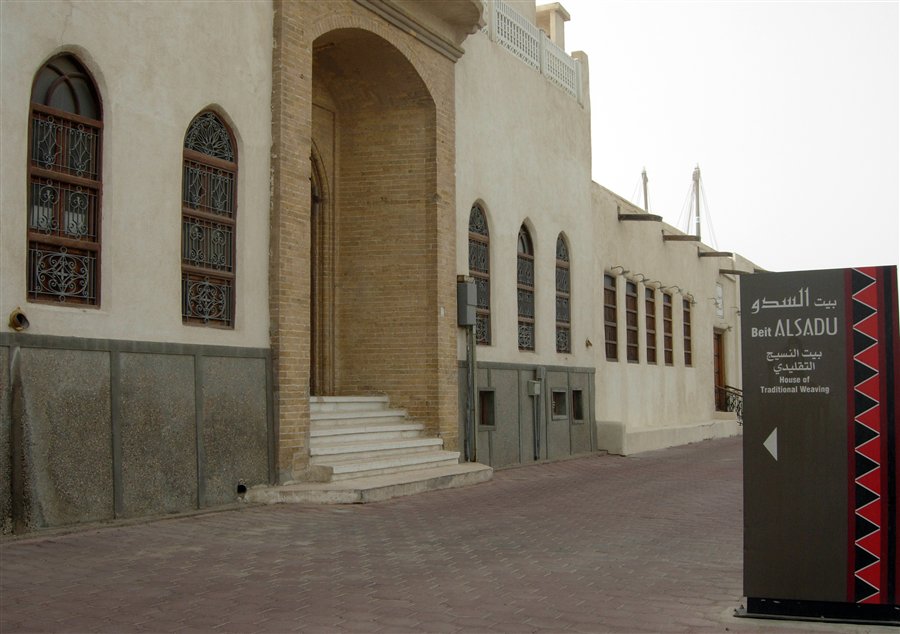
Gulf Arab life grew from the sea and the desert: pearling, dhow trade and fishing on the coast, date gardens in oases such as Al-Ahsa, and camel herding and caravan work among the tribes. Oil ended most of these livelihoods within a generation, and most Gulf Arabs now live in modern cities and work for the state or the oil companies, though fishing and dhow trade continue on the Iranian coast and in Faw. Social life centres on the men's reception room (diwaniya in Kuwait, majlis elsewhere), where men gather over cardamom coffee, tea and dates to talk family business and politics. Shared heritage includes the songs of the pearl divers, the ardah sword dance, Nabati poetry, falconry and camel racing, and Al Sadu weaving by Bedouin women. Families are large and patrilineal, marriage between cousins and within the same tribe or town families is common, and tribal genealogy and hospitality customs remain important.

Religious practices

Gulf Arabs are Sunni Muslims. The legal school varies with place and descent: Hanbali among families of Najdi and tribal origin and in Saudi Arabia, where the Wahhabi tradition is the state's; Maliki as Kuwait's official school; and Shafi'i on the Iranian coast and among some families elsewhere. Mosque prayer, Ramadan and the two Eids shape the year. Salafi and Muslim Brotherhood currents are strong, especially among settled tribal citizens, alongside a secular-leaning liberal current in some town families. Tribal custom on honour, marriage and dispute settlement runs alongside Islamic law. Where Gulf Arabs are a Sunni minority, as on Iran's coast and in Iraq's Basra province, their faith sets them apart from their Shia neighbours.

Gospel access

The full Bible exists in Arabic, which all Gulf Arabs read. In Gulf Arabic there are the Qatifi New Arabic Version on YouVersion, 'Arabic Good News (Khaligi)' audio on Bible.is, the JESUS Film and the Magdalena film, and Global Recordings Network audio; JP rates Gulf Arabic at Bible level 3. Every Gulf state restricts or forbids evangelism among citizens, and no known congregation of Gulf Arab believers meets openly in any presence; foreign Christians, numerous in every Gulf city, meet in licensed churches (Kuwait, Bahrain, Qatar, UAE, Oman) or only privately (Saudi Arabia).

Gulf Arabs of the Iranian coast

Arab tribes such as the Bani Tamim, Al Nasur, Al Haram, Al Ali, Obaidli and the Qawasim of Lengeh held the ports between Kangan and Bandar Lengeh in the 18th and 19th centuries, when the coast south of Kangan was about three quarters Arab. Most of these families, later called Huwala, moved to the Arab shore in the late 19th and early 20th centuries and after Reza Shah's centralisation in the 1920s-30s. Those who stayed form the Sunni Arab villages of Bushehr and Hormozgan and the native Arab quarters of Kish and Lavan. Their dialects, studied by the University of Graz (2020-2025), are Gulf Arabic varieties strongly shaped by Persian.

At a glance

Language
Arabic, Gulf
Language family
Afro-Asiatic
Affinity bloc
Northern African and Middle Eastern Peoples
People cluster
Arab, Arabian
Primary religion
Islam - Sunni
Bible status
Portions
Jesus Film
Yes
Audio recordings
Yes
Gospel recordings
Available
Radio broadcasts
Not Available
Religious school
Hanbali, Maliki and Shafi'i (varies by country and descent)

Religious breakdown

Religion % DenominationNotes
Islam~99%SunniHanbali in Saudi Arabia and among Najdi and tribal families, Maliki as Kuwait's official school, Shafi'i on the Iranian coast; Salafi and Muslim Brotherhood currents strong
Christianity<1%Muslim-background believersJP estimate; no known congregation in any presence

Presence by country

IranNativeVerified presence
Population
~305,000 (uncertain)
Location
Coast and islands of Bushehr and Hormozgan: Kangan, Asaluyeh, Deylam, Gavbandi (Parsian), Bandar Moqam, Charak, Kish, Lavan, Bandar Lengeh, Kong

The Gulf Arabs of Iran are Sunni Arab fishing and seafaring communities strung along the north shore of the Persian Gulf, from about fifty Arabic-speaking villages in Bushehr province to the ports of Charak, Moqam and Lengeh and the islands of Kish and Lavan in Hormozgan. Arab tribes such as the Bani Tamim, Al Nasur, Al Haram and the Qawasim ruled these ports in the 18th and 19th centuries; most of their kin, the Huwala, moved to Dubai, Sharjah, Bahrain and Qatar by the 1930s, and the families who stayed see themselves as both Arab and Iranian. Their Shafi'i Sunni faith and Gulf Arabic speech set them apart from the Shia, Persian-speaking majority, and they keep close family ties with relatives across the water. On Kish, native Arab families still go from house to house after Eid prayers, and each host serves Arab dishes and sweets.

KuwaitNativeVerified presence
Population
1,125,000
Location
Throughout Kuwait; hadar in the older suburbs of the Capital and Hawalli, tribal (badu) citizens mainly in Jahra, Ahmadi and Farwaniya

Kuwait's Sunni Arab citizens, about seven in ten Kuwaitis, are the people of the ruling Al Sabah family and the core of the nation. They fall into two halves that still tend to live, marry and vote apart: the hadar, descendants of the merchants, pearl divers and sailors of the old walled town, and the badu, families of the Awazim, Mutair, Ajman, Rashaida, Anizah and other desert tribes who settled and became citizens from the 1950s on and now fill the outer suburbs of Jahra, Ahmadi and Farwaniya. Most work for the state and receive free housing, healthcare and schooling paid for by oil, while foreign workers, two-thirds of the population, do the country's manual and service labour. Their social life turns on the diwaniya, a reception room where men gather each evening over coffee and tea to talk family business and politics, and in the middle of Ramadan children in traditional dress go from house to house for girgian, singing for sweets and nuts. Beside them live some 40,000 stateless Sunni Bidoon of the same desert tribes, whose families never received citizenship and who are refused papers, state schooling and most jobs.

OmanNativeVerified presence
Population
250,000
Location
Wahiba (Sharqiya) Sands and its fringes, Al Wusta (Mahout, Duqm, Haima), Adh Dhahirah and Al Buraimi

The Bedouin of Oman are camel- and goat-herding tribes of the central desert, about a quarter of a million citizens set apart from the settled oasis Arabs by descent, dialect and a desert way of life. The Al Wahiba hold the great dune sea of the Sharqiya Sands, the Janaba the coast of Al Wusta, the Duru the plains of the Dhahirah, and the Na'im and Bani Ka'b the borderlands around Buraimi. Most are Sunni, while the Wahiba and Duru follow the Ibadi school of the north. Camels once carried dates and limes from the north to trade for dried sardines from the coast; today camel racing, date gardens, army jobs and desert tourist camps sustain families, and older women still wear the stiff indigo face mask called the burqa.

QatarNativeVerified presence
Population
340,000
Location
Throughout Qatar; citizen districts of Doha and Al Rayyan, Al Daayen, Umm Salal, Al Wakrah, Al Khor, Al Shahaniya and Al Shamal

Qatar's Arab citizens, nearly nine Qataris in ten, are the people of the ruling Al Thani family and the core of a nation where citizens are barely one resident in eight. They are the descendants of the merchants, pearl divers and fishermen of the old coastal towns (hadar), of desert tribes such as the Al Murrah, Bani Hajer, Na'im and Manasir who were settled by the state in the 1960s (bedu), and of Huwala families who returned from the Persian coast; bedu and hadar still rarely marry each other. Most are Sunni, but about one in ten, from Baharna craft families of Bahrain and al-Ahsa or Ajam families of Iranian origin, are Twelver Shia who dress and live like their neighbours, mourn Imam Husayn at Ashura in a few quiet halls (husseiniyas) and settle family matters in their own Ja'fari court. Gas wealth gives them state jobs, free land and housing loans, free schooling and healthcare, while foreign workers do almost all manual labour. Each family receives guests in its majlis over Arabic coffee and dates, and on the 14th night of Ramadan children in traditional dress go from house to house singing Garangao songs for nuts and sweets.

Saudi ArabiaNativeVerified presence
Population
640,000
Location
Eastern Province: al-Ahsa oasis (Hofuf, Mubarraz and villages), Dammam, al-Khobar, Dhahran, Jubail

Saudi Arabia's Gulf Arabs are the Sunni Arabs of the Eastern Province, about 640,000 people who speak the Gulf Arabic of Kuwait, Bahrain and Qatar rather than the Najdi of the interior. They are the townspeople of the al-Ahsa oasis, the world's largest, whose old scholarly families taught the Maliki and other Sunni schools for centuries, and the coastal families of Dammam and al-Khobar, many of them Dawasir who crossed from Bahrain in 1923; Kuwaitis, Emiratis and Qataris living in the kingdom share their dialect and ways. Al-Ahsa's tailors are famed across the Gulf for the bisht, the gold-edged cloak worn on great occasions, and its spring-fed gardens grow Khalas dates and a local red rice. Their oases and towns are shared with Shia neighbours who form a separate community, and since the 1940s their coast has been the heart of the Saudi oil industry around Dhahran.

United Arab EmiratesNativeVerified presence
Population
~1,150,000 (1,000,000-1,300,000)
Location
Throughout the UAE: Abu Dhabi, Al Ain, Al Dhafra, Dubai, Sharjah (with Kalba, Khorfakkan and Dhaid), Ajman, Umm al-Quwain, Ras al-Khaimah and Fujairah

Emirati Arabs are the citizens of the seven emirates, a people of just over a million who make up about one resident in ten of their own country. They descend from the Bani Yas, Qawasim, Na'im, Sharqiyin and other tribes of the old Trucial Coast, from pearl divers, date farmers and merchants, and from Arab and Iranian-origin families who crossed from the Persian coast; about one in ten, mostly in Dubai and Sharjah, is a Twelver Shia. Oil wealth since the 1960s has made them a privileged minority who work mainly for the state, live in villa suburbs and leave almost all manual work to foreign residents, while families still marry largely within their kin. Hospitality in the family majlis over cardamom coffee and dates, falconry, camel racing and the Al Ayyala stick dance, performed at weddings and national days, are prized marks of Emirati identity.

Also found outside the Middle East and North Africa

Canada, Sweden, United States

Photos

Arab, Arabic Gulf Spoken people group photo
Sunni Arab natives of Kish Island, Iran, visiting each other after Eid al-Adha prayers
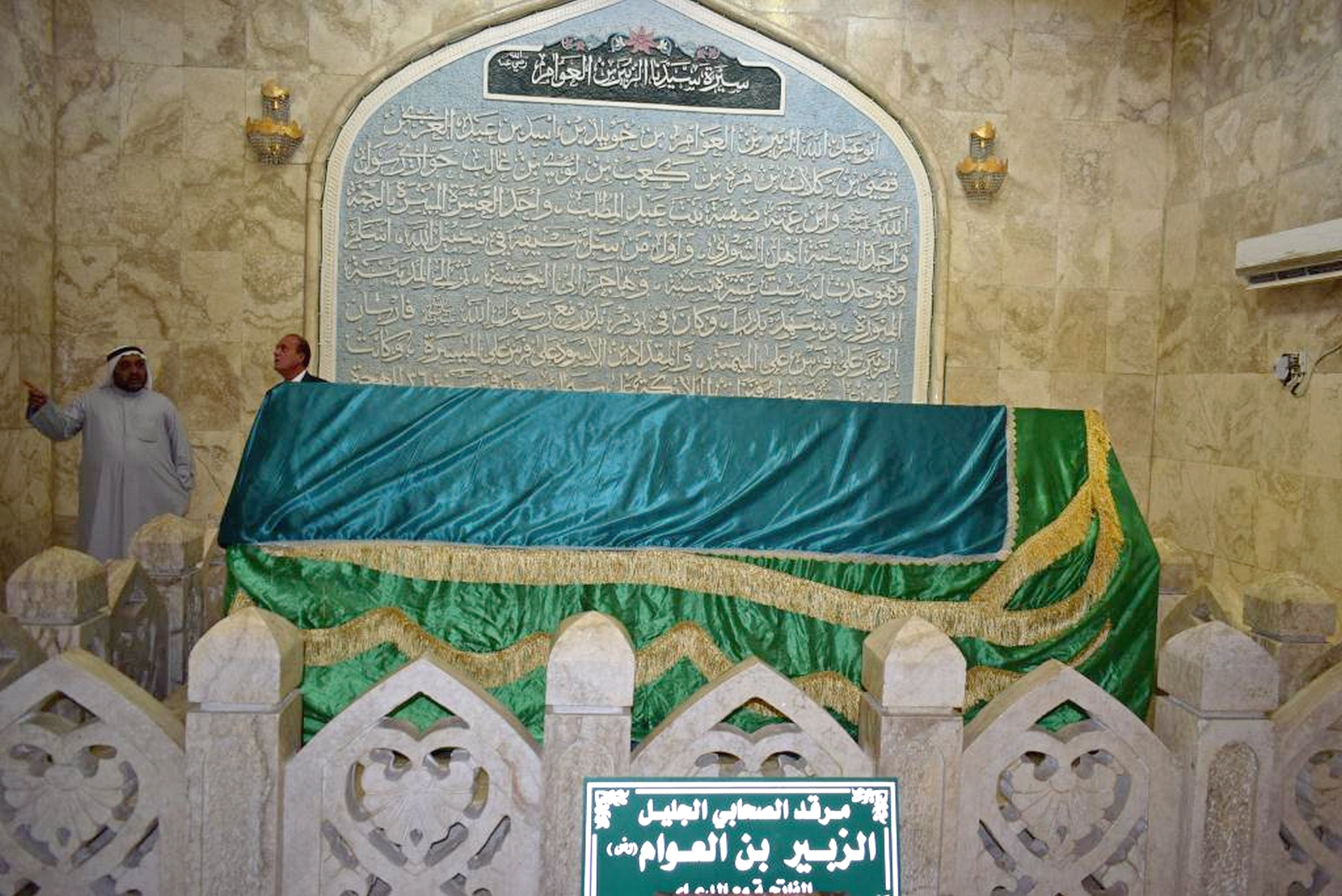
Tomb of al-Zubayr ibn al-Awwam, al-Zubair, Basra (Iraq)
Kuwaitis celebrating National Day with flags (Wiki Loves Folklore 2025, Kuwait)
A Ramadan ghabga (late-evening gathering) setting in Kuwait
Traditional Kuwaiti children's clothes, worn for girgian in Ramadan
Traditional Kuwaiti folk band
Bait Al Sadu, Kuwait City, home of the society preserving Bedouin sadu weaving

Videos

Sources

  1. Al-Anba: Kuwait population end 2025
  2. Al-Anba: Kuwait students' union headquarters in Cairo reopened (30 Dec 2015)
  3. Al-Jarida: Electronic elections for the Kuwait students' union in Egypt (26 Jan 2023)
  4. Al-Jarida: «أهل الزبير»... نظرة أنثروبولوجية متأنية
  5. Al-Nakib, Revisiting Hadar and Badu in Kuwait (IJMES)
  6. Al-Yaum (2005): the first school in al-Ahsa
  7. Arabian Business: UAE private-sector employment hits 152,000 Emiratis
  8. Baker Institute: Kuwait's post-Arab Spring Islamist landscape
  9. Carnegie: Kuwait's Bidun in the face of climate change (Mar 2026)
  10. Dar al-Athar al-Islamiyyah: Amricani Cultural Centre
  11. Dawn Chatty, Mobile Pastoralists: Development Planning and Social Change in Oman
  12. Emarat Al Youm: Sharjah Census 2025 results (24 Jun 2026)
  13. emarefa: Demographic change in al-Zubair 1997-2019
  14. Enterprise: How the state plans to raise the number of international students
  15. Fanack: Society of Kuwait
  16. Fanack: Society of Qatar
  17. Frontiers in Public Health (2023): Perception of consanguineous marriage among the Qatari population
  18. FWF project P33421: The Language of the Arab Minority in Southern Iran (2020-2025)
  19. GLMM: Abu Dhabi population by nationality, mid-2015
  20. GLMM: Dubai population by nationality (Emiratis / non-Emiratis) 1975-2016
  21. GLMM: Kuwait population by nationality group, sex and region (census 2021)
  22. GLMM: Saudi Arabia non-Saudi population by nationality, census 2022
  23. GLMM: Saudi Arabia population by nationality and administrative region, census 2022
  24. GLMM: UAE population by nationality, sex and emirate (2005)
  25. Gulf News: Abu Dhabi's population at 2.33m, with 475,000 Emiratis
  26. IMB: Arab, Qatari
  27. IMB: Arab, Saudi (Gulf Arabs)
  28. IMB — Bedouin, Gulf in Egypt
  29. Joshua Project — Arab, Arabic Gulf Spoken in Egypt
  30. Joshua Project: Arab, Arabic Gulf Spoken in Iran
  31. Joshua Project: Arab, Arabic Gulf Spoken in Qatar
  32. King Saud Foundation: Al-Zubair: Saudi roots in Iraq established by Najdi migrants
  33. Kuwait Times: Al Sadu recognised as world intangible cultural heritage
  34. Kuwait Times: Diwaniyas, the differences between hadhar and bedu (27 Apr 2023)
  35. Maspero: 124,000 international students in Egyptian universities in 2024
  36. Masrawy (2021): Al Murrah and Qatar's election law
  37. Oman Observer (Mar 2025): A journey through the Rimal al-Sharqiya
  38. openDemocracy: Ashura in Qatar (Michael Stephens, 2012)
  39. Open Doors: Kuwait
  40. Open Doors: Qatar (World Watch List 2026)
  41. Prevalence of consanguineous marriages in UAE nationals and the risk of genetic diseases
  42. PSA Census 2020 via GLMM: Qatar population by nationality group
  43. Rough Guides: South from Muscat, the inland route
  44. Saudi-funded Nation Shield Forces take over sites at Al-Wadiah land port - South24
  45. Saudis trapped in Yemen need help, charitable society says - Al Arabiya (25 Feb 2015)
  46. The Peninsula: Garangao 2026
  47. UNESCO: Al-Ahsa Oasis
  48. University of Graz: The language of the Arab minority in southern Iran (region)
  49. US Department of State: 2015 Report on International Religious Freedom: Qatar
  50. US Department of State: 2023 Report on International Religious Freedom: Qatar
  51. US IRF Report 2023: United Arab Emirates
  52. US State Department 2023 Report on International Religious Freedom: Kuwait
  53. WAM: UAE strengthens leadership in safeguarding intangible heritage
  54. Webster, Notes on the Dialect and Way of Life of the Āl Wahība Bedouin of Oman (BSOAS)
  55. Wikimedia Commons: Wiki Loves Folklore 2025 in Kuwait
  56. Wikipedia: Bandar Charak
  57. Wikipedia: Bedouin Arabic
  58. Wikipedia: Demographics of Qatar
  59. Wikipedia: Fijiri
  60. Wikipedia: Gulf Arabic
  61. Wikipedia: Hofuf
  62. Wikipedia: Huwala
  63. Wikipedia: Imam Muhammad ibn Abd al-Wahhab Mosque
  64. Wikipedia: Islam in Qatar
  65. Wikipedia: List of cities and towns in Saudi Arabia
  66. Wikipedia: Qataris
  67. Wikipedia: Sayar tribe
  68. Wikipedia: Shia Islam in Saudi Arabia
  69. Wikipedia: Shia Islam in the United Arab Emirates
  70. Wikipedia: United Arab Emirates in the 2026 Iran war
  71. Wikipedia: Zubayr
  72. Worldcrunch: On the beaches of Kish
  73. World Obesity Federation: United Arab Emirates
  74. Zayed University: Emirati perceptions of mental illness and supernatural forces