People groups
Takistani

Takistani

JPGRN
Population in the Middle East and North Africa
200,000
Countries
1
Language
Takestani
Religion
Islam - Shia
Bible status
New Testament

Locations

Identity

The Takestani Tats are the Tati-speaking people of Takestan and the Ramand plain south of Qazvin, the largest surviving block of the Tati language group of northwestern Iran. Takestan, known to its people as Siayden (Siadehan), is called the largest Tat city in the world; its speech, Siaydiniji, belongs with the Ramand dialects of Esfarvarin, Khiaraj, Khoznin, Danesfahan, Ebrahimabad, Sagezabad and Chal to the Southern Tati cluster first described by Ehsan Yarshater. Tati descends from the Northwestern Iranian speech once spoken across Azerbaijan and the Qazvin region before Turkic and Persian spread, and is related to Talysh and Zaza. Iran has perhaps 400,000 Tats of all varieties. Takestani Tats see themselves as a distinct people with a 3,000-year history, with language at the centre of that identity, while sharing Shia Islam and Iranian national identity with their Persian and Azerbaijani neighbours.

Culture & traditions

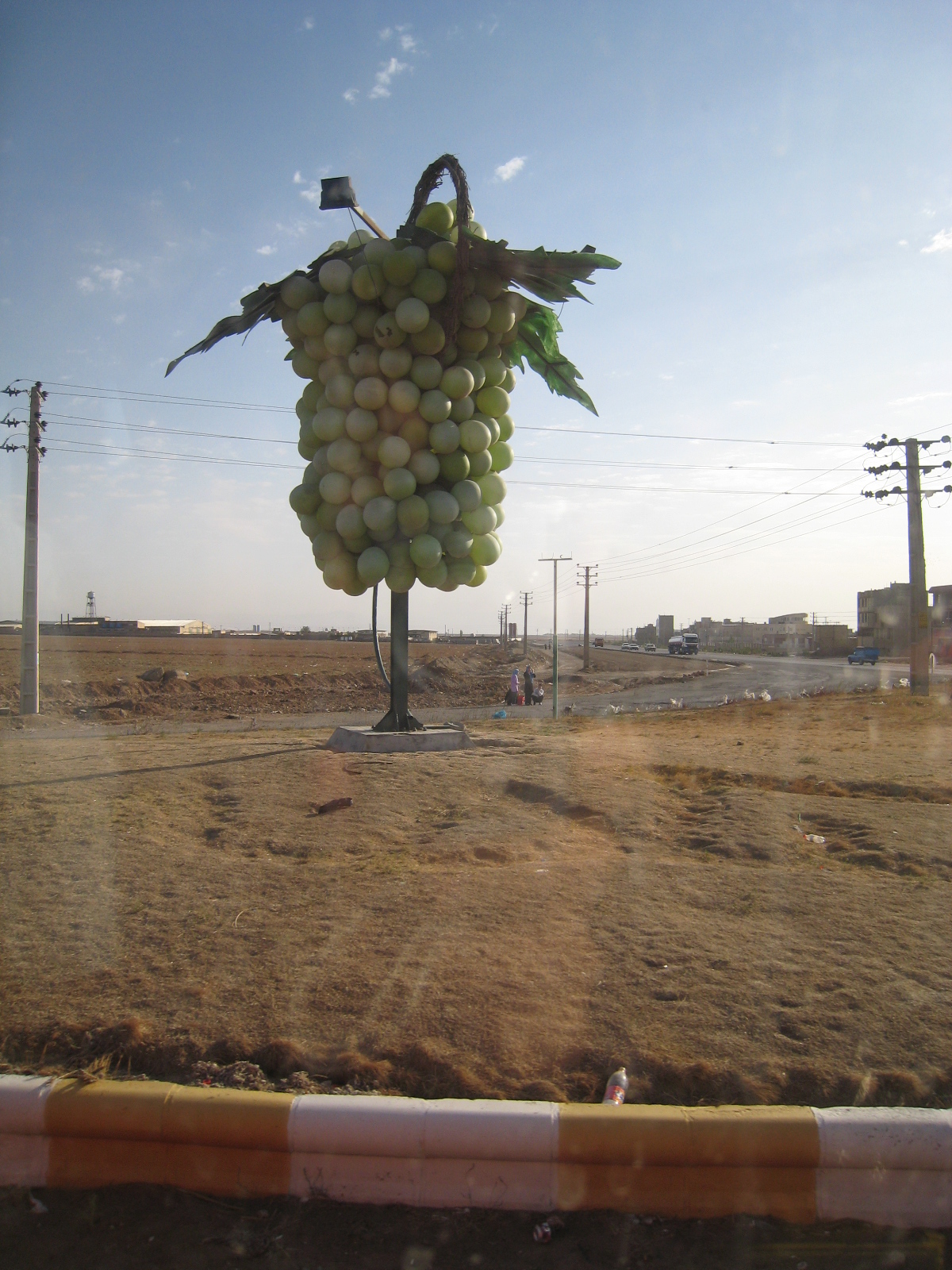
Takestan, literally 'land of vineyards', is one of Iran's main grape districts: some 35,000 hectares of vines, most of the crop dried into raisins and sultanas for export. Village life revolves around the vineyards, wheat and barley fields, and the qanats and wells that water them on the dry Qazvin plain. Families are close-knit and extended kin support each other at weddings, funerals and in hard times. Tati is the language of home and community among older and middle generations, while Persian dominates school and media and Azerbaijani is common in mixed towns. Local writers have compiled Tati dictionaries and Tati poetry, and Telegram and Instagram channels share Tati proverbs, songs and village news.

Religious practices

Takestani Tats are Twelver Shia. Muharram mourning, Ashura processions, Ramadan and visits to local shrines and imamzadehs structure the religious year. Folk practice includes vows (nazr), communal cooking of votive food, and Nowruz customs. No study documents secularisation among Tats specifically, but the proximity of Qazvin and Tehran exposes young people to the same secular trends as the rest of urban Iran.

Gospel access

No Scripture in Takestani is confirmed. Korpu included a 'Tati' New Testament among the 12 minority-language New Testaments dedicated in January 2024, but the variety is not named. Takestani Tats read Persian well, so Persian Bibles, satellite TV and online media are accessible. There is no known church or believer among them.

The Tati language group of Iran

Tati is not one language but a chain of related Northwestern Iranian varieties scattered across northern Iran, survivors of the speech of Azerbaijan and the Qazvin region before Turkic and Persian replaced it. Linguists group them into a northern cluster near the Aras (Harzani, Karingani, Kalasuri, Khoynarudi), a central cluster in Khalkhal and Tarom (Shahrudi, Kajali, Koresh-e Rostam, Taromi), and a southern cluster from Takestan and Ramand to Eshtehard, Vafs and the Alvir-Vidar villages near Saveh. Speakers of all of them call themselves Tat and share Shia Islam, but they cannot always understand each other, and most clusters survive only in a few villages. Takestani, with its Ramand sister dialects, is the largest and most vigorous.

At a glance

Language
Takestani
Language family
Indo-European (Iranian, Northwestern, Tatic)
Affinity bloc
Persian-Median
People cluster
Talysh-Tati
Primary religion
Islam - Shia
Bible status
New Testament
Jesus Film
No
Audio recordings
No
Gospel recordings
No
Radio broadcasts
No
Religious school
Ja'fari

Religious breakdown

Religion % DenominationNotes
Islam99%Shia (Twelver)Takestan and Ramand towns are Shia, with shrines such as the Seljuk-era Pir mausoleum
Christianity<0.1%No known believers

Presence by country

IranNativeVerified presence
Population
200,000
Location
Takestan County (Takestan, Esfarvarin, Khoznin) and Ramand district of Buin Zahra County (Danesfahan, Khiaraj, Ebrahimabad, Sagezabad, Chal), Qazvin province; migrants in Qazvin, Karaj and Tehran

The Takestani Tats live in the vineyard town of Takestan and the villages of the Ramand plain south of Qazvin, the largest surviving community of the Tati language group that once covered Iran's northwest. Their city, which they call Siayden, is said to be the largest Tat town in the world, and its 35,000 hectares of vines make it one of Iran's main sources of raisins. They speak Takestani, a Southern Tati language related to Talysh and Zaza, alongside Persian and often Azerbaijani, and they hold to a strong sense of being a distinct people with a 3,000-year history. They are Twelver Shia Muslims, and no Scripture or church exists in their own language.
Photos

Takistani people
Takistani people
Takestan, famous for its vineyards
Village of Siadeh (Takestan), drawing by Eugène Flandin, 1840s
Map of Caspian and Tati languages in Iran and Azerbaijan

Sources

  1. Esfarvarin, Danesfahan, Sagezabad, Khiaraj - Wikipedia (2016 census)
  2. Farhang-e Tati-ye Takestan (dictionary) - R. Rahmani, elmnet
  3. Gostaresh-e zaban-e Tati, Qazvin (Persian) - mehremihan.ir
  4. Iran Bible translation - Christianity Today, January 2024
  5. Iranian Tats and their Identity - B. Navazeni, National Studies Journal 8(29), 2007
  6. Southern Tati (Takestani dialect) - Taherkhani & Nelson, Journal of the International Phonetic Association 54(1), 2024
  7. Takestan - Wikipedia
  8. Tati language (Iran) - Wikipedia
  9. تات‌های ایران - Persian Wikipedia