People groups
Semnani

Semnani

JPIMBGRNDiscovery
Population in the Middle East and North Africa
55,000
Countries
1
Language
Semnani
Religion
Islam - Shia
Bible status
Translation started

Locations

Identity

The Semnanis are the native people of Semnan, an oasis city on the southern foot of the Alborz mountains at the northern edge of the Dasht-e Kavir, 216 km east of Tehran. Their language, Semnani (self-name Semni zafon), is the main member of the Komisenian or Semnani group of Northwestern Iranian languages, named after Komesh/Qumis, the historic name of the region. Semnani is transitional between the Caspian languages and the Central Plateau dialects and is closest, among living languages, to Zazaki in Anatolia and to Gurani; scholars link it to Median with a later Parthian layer. Its neighbours, Sangsari, Sorkhei, Lasgerdi and Aftari, are separate Komisenian languages, and the Danish Iranist Arthur Christensen noted that Semnanis talking among themselves could not be understood by other Iranians. The language keeps grammatical gender, including gender agreement on verbs, which is rare in Western Iranian. Population figures depend on whether one counts speakers or people of Semnani descent: about 50,000-75,000 people are estimated to speak Semnani, while about 300,000 people identify as Semnani by descent, most of whom now speak Persian as their first language. The Semnani group in a broad sense also includes the Biyabanaki dialect of the steppe villages near Dehnamak and Damghan.

Culture & traditions

Semnan is an old caravan city on the Tehran-Mashhad Silk Road route. Its traditional core is divided into seven historic quarters (Esfanjan, Latibar, Shahju, Nasar, Zavoqan, Koshmaqan and Kodiyur), each with its own mosque, takyeh and water rights. Life in the oasis grew up around an elaborate system of irrigation channels, stepped ponds and the Parö ('water splitter') distribution works fed by snowmelt from the Alborz through the Golrudbar creek. Families grow pomegranates, walnuts, herbs, eggplant and cotton, and weave felt, kilims and carpets. Semnanis describe themselves as kind and hospitable, and the city brands itself the 'City of Compassion'. Language is central to identity: a two-volume Semnani dictionary by Zabihollah Vaziri (1,200 pages) and a collection of 5,258 Semnani proverbs have been published, the language was registered on Iran's national intangible heritage list in February 2016, and poetry in Semnani, much of it lamenting the loss of the language to Persian, is the main form of local literature. Today Semnani is used mainly at home and among older people. Younger Semnanis mostly speak Persian, and some kindergartens and online adult classes teach Semnani words. Nowruz customs and Chaharshanbe Suri bonfires are celebrated in public, and Muharram mourning ceremonies in the quarter takyehs, such as the Takyeh Abbasiyeh, are major communal events.

Religious practices

Semnanis are Twelver Shia Muslims. Public religious life centres on the shrines of Imamzadeh Yahya ibn Musa al-Kazim and Imamzadeh Ali ibn Ja'far, the Qadamgah of Abbas ibn Ali (Takyeh Abbasiyeh) and the city's Friday mosque. Ashura and Muharram mourning processions are organised by quarter. Semnan also has a strong Sufi heritage. The Kubrawi master Ala al-Dawla Simnani (1261-1336) taught at Sufiabad near the city, where his tomb is still visited. Folk practice includes vows (nazr) and votive meals at shrines, as elsewhere in central Iran. As across urban Iran, younger and educated Semnanis are increasingly secular or private in their faith. Semnan city also has a Baha'i community, which was targeted in arrests in 2011 and again in the 2025-26 wartime raids. No sources describe a Semnani-speaking Christian fellowship.

Gospel access

No part of the Bible has been translated into Semnani, and no Jesus Film exists in the language. Global Recordings Network (GRN) has produced 'Good News' audio-visual Bible lessons in Semnani (program c37919), which can be downloaded as MP3 and MP4 slideshows and are published on GRN's 'Languages of Iran' YouTube channel. Mission-oriented sites (EveryTongue, Katartizo) host Semnani audio, and prayer videos for the Semnanis have been posted online. All Semnanis read and speak Persian, so they can use the Persian Bible, Persian Christian satellite TV and online media, but Persian-language church activity is illegal in Iran.

The Komisenian 'Isle of Dialects'

Semnan province is one of Iran's most linguistically diverse small areas. Within about 40 km of Semnan city, separate Komisenian languages are spoken in Sangesar/Mahdishahr (Sangsari), Sorkheh and Aftar (Sorkhei-Aftari), Lasjerd (Lasgerdi) and the Biyabanak steppe villages (Biyabanaki), while Shahmirzad, in the Alborz just north of Mahdishahr, speaks a Mazandarani-type Caspian dialect. Speakers of neighbouring towns often cannot understand each other. Habib Borjian's 2026 typology groups the Komisenian languages into Semnani, Sorxei-Lasgerdi and Sangesari, with Biyabanaki as an amalgam of Semnani and Sorxei-Lasgerdi.

At a glance

Language
Semnani
Language family
Indo-European
Affinity bloc
Central Asian Peoples
People cluster
Persian
Primary religion
Islam - Shia
Bible status
Translation started
Jesus Film
No
Audio recordings
Yes
Gospel recordings
Available
Radio broadcasts
Not Available
Religious school
Ja'fari

Religious breakdown

Religion % DenominationNotes
Islam97-99%Shia (Twelver, Ja'fari)Semnan has deep Twelver Shia shrine and mourning traditions and an older Sufi heritage (Ala al-Dawla Simnani, Kubrawi order, d. 1336)
Non-religious / secularunknown, likely significant among urban youthNational GAMAAN 2020 survey shows rapid secularisation in Iran; no Semnan-specific figure
Baha'i<1%Semnan city has a small Baha'i community whose members were arrested in 2011 and in the 2025-26 raids; ethnic make-up not documented
Christianity<0.1%Evangelical (house-church converts)No documented Semnani-speaking church

Presence by country

IranNativeVerified presence
Population
55,000
Location
Semnan city and its western suburbs (Zavoqan, Koshmaqan, Kodiyur), Semnan province; Biyabanaki villages near Dehnamak

The Semnanis are the native people of Semnan, an oasis city at the foot of the Alborz mountains on the edge of the Great Salt Desert, 216 km east of Tehran. They speak Semnani, an ancient Northwestern Iranian language with grammatical gender that is unintelligible to Persian speakers and closer to Zazaki in distant Anatolia than to any neighbouring tongue. About 55,000 people still speak it, mostly at home and among older people, while many more of the roughly 300,000 people of Semnani descent now speak only Persian. For a thousand years the city has divided Alborz snowmelt among its seven historic quarters through stone channels and stepped ponds. Semnanis are Twelver Shia, and Semnan's Sufi heritage goes back to the medieval master Ala al-Dawla Simnani.

Photos

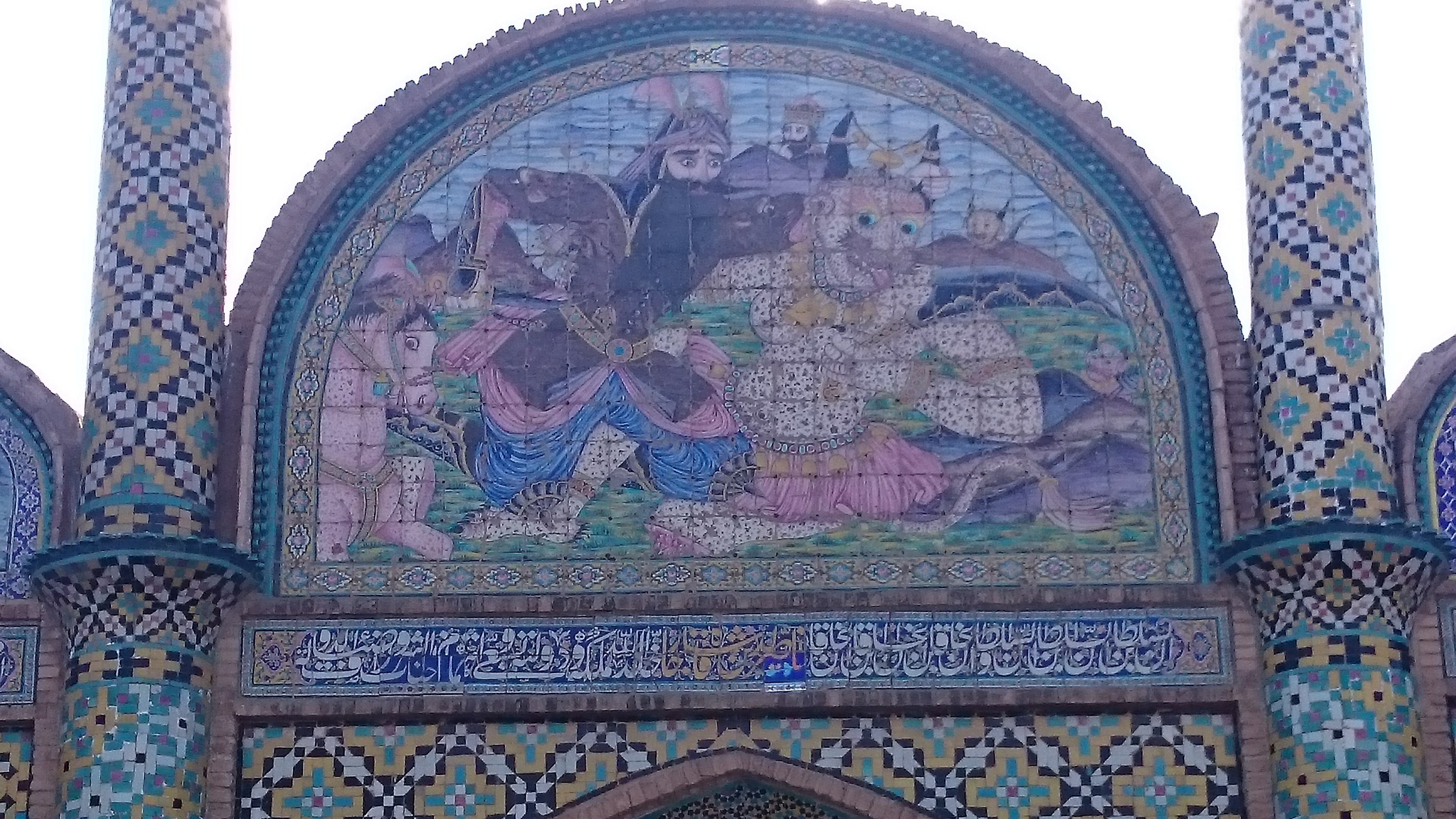
Semnani people
Semnani people
Chaharshanbe Suri fire festival in Semnan, March 2018
Semnan bazaar, 2020
Semnan bazaar, 2020
Gate of the old citadel (Arg) of Semnan

Videos

Sources

  1. Borjian, H. 2026. How Many Languages Are Spoken in Semnan Area? Typology and Origins of Komisenian Languages (Springer)
  2. EveryTongue - Iran languages
  3. Glottolog - Semnani-Biyabuneki (semn1249)
  4. GRN - Semnani language page
  5. Semnani language - Wikipedia
  6. Semnani people - Wikipedia
  7. Semnan, Iran - Wikipedia
  8. Semnan province - Wikipedia
  9. زبان سمنانی - Persian Wikipedia
  10. زبان‌ها و گویش‌های استان سمنان - semnan.work (1405/2026)
  11. سمنان - Persian Wikipedia