People groups
Mazanderani

Mazanderani

JPIMBGRN
Population in the Middle East and North Africa
4,500,000
Countries
1
Language
Mazanderani
Religion
Islam - Shia
Bible status
New Testament

Locations

Identity

The Mazanderanis (Mazani, Tabari; Persian مازندرانی) are the native people of the eastern half of Iran's Caspian lowland and the northern Alborz, from Ramsar and Tonekabon in the west to Gorgan in the east. They descend from the ancient Tapuri and Amardi; their land was Tapuria, later Tabaristan, and local dynasties such as the Bavandids and Dabuyids kept it independent of the Arab caliphate for generations. Zaydi Alid rulers of the 9th and 10th centuries made it an early centre of Shia Islam, and Mazandaran stayed under local princes until Shah Abbas I annexed it in 1596. Mazandarani (Tabari) is a Northwestern Iranian language of the Caspian group, close to Gilaki, with about 13 dialects (Saravi, Amoli, Baboli, Shahi, Kalardashti, Gorgani and others) and a Galeshi speech among upland herders. Ethnic Mazanderanis number about 4.5 million, but language studies show a steady shift to Persian among the young, women and city dwellers.

Culture & traditions

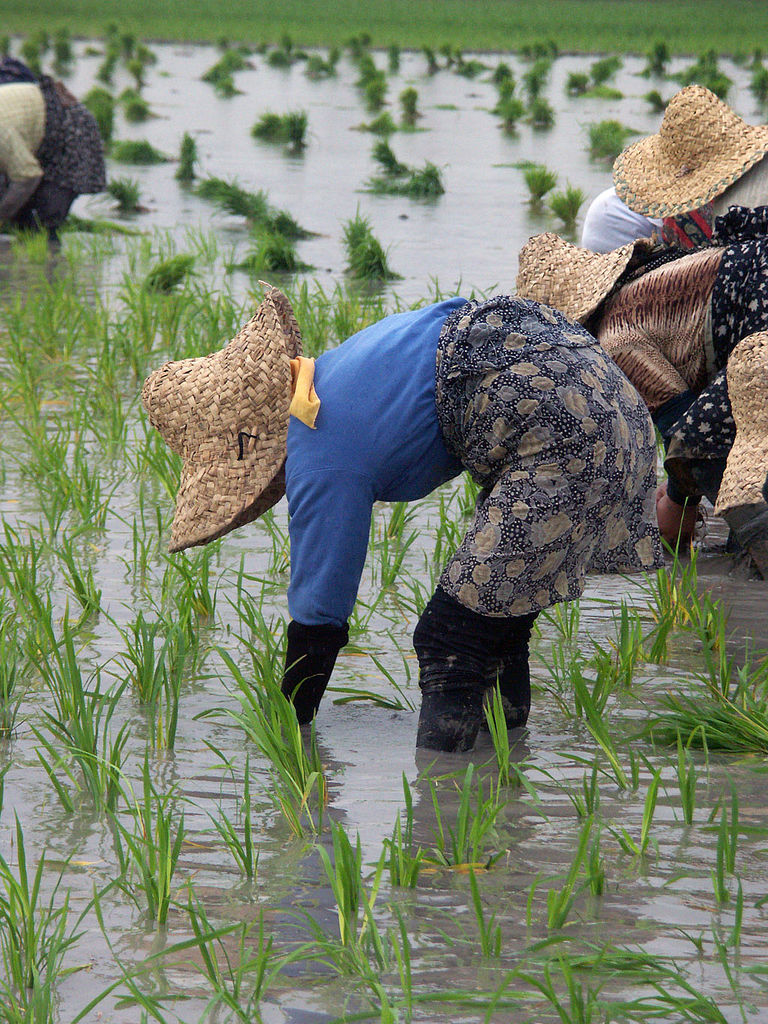
Mazanderani life centres on rice paddies, citrus orchards and forest villages, with timber houses on stone footings, wooden verandas and steep roofs of clay tile or straw. Rural kinship networks are dense and weddings, harvests and funerals are communal affairs. The Tabari calendar marks distinct festivals: Tirma Sizeh Shu, the night of the 13th of Tir, when families sit up all night with snacks, fortune-telling and stories, and Nowruz-khani, when singers go house to house heralding spring. Music forms include Amiri-khani, sung to the verses of the Safavid-era poet Amir Pazvari, and Katuli songs with the kamancheh and laleva flute; lucho folk wrestling is the signature sport. Upland Galesh herders take cattle between lowland winter pastures and Alborz summer meadows. Mazandaran is a favourite holiday destination for Tehranis, and second homes and tourism have reshaped the coast.

Religious practices

Mazanderanis are overwhelmingly Twelver Shia, and Tabaristan has a long Shia history going back to the Zaydi Alid state. Muharram mourning, Ashura passion plays and vows at imamzadeh shrines are central; distinctive wooden saqanefar shrines with painted ceilings, found in villages around Babol, Qaem Shahr and Savadkuh, host Muharram vows and offerings. Folk practice keeps pre-Islamic seasonal rites such as Tirma Sizeh Shu and Nowruz customs. Mazandaran is also a cradle of the Baha'i faith, whose founder's family came from Nur county; Baha'i villagers there still face demolitions and arrests. A small Sunni Shafi'i minority exists, and the young urban generation is increasingly secular.

Gospel access

The Mazandarani New Testament, translated by Korpu after its Gilaki work began in 1998, was dedicated in January 2024 among 12 new minority-language New Testaments for Iran. Audio recordings are available; the Jesus Film is not listed in Mazandarani. Most Mazanderanis understand Persian, so Persian Christian satellite TV and online media also reach them. There is no known open Mazandarani-speaking church.

At a glance

Language
Mazanderani
Language family
Indo-European
Affinity bloc
Central Asian Peoples
People cluster
Persian
Primary religion
Islam - Shia
Bible status
New Testament
Jesus Film
No
Audio recordings
Yes
Gospel recordings
Available
Radio broadcasts
Not Available
Religious school
Ja'fari

Religious breakdown

Religion % DenominationNotes
Islam95%+Shia (Twelver, Ja'fari)Dominant; Muharram rites at wooden saqanefar shrines
Islam<1%Sunni (Shafi'i)Small minority noted by Persian Wikipedia
Baha'i<1%Baha'iHistoric Baha'i villages (Ivel, Roshankouh) whose homes were demolished in 2021-22
Islam (nominal) / non-religiousunquantifiedsecularNational trend of secularisation; no Mazandaran-specific data
Christianity<1%Muslim-background believersFew; JP estimates 1.67% evangelical, unverified

Presence by country

IranNativeVerified presence
Population
4,500,000
Location
Mazandaran province; western Golestan (Gorgan, Kordkuy, Bandar-e Gaz); Firuzkuh and Damavand uplands of Tehran province; migrants in Tehran and Karaj

The Mazanderanis are the people of Mazandaran on Iran's Caspian coast, heirs of the ancient Tapuri whose land of Tabaristan held out for generations against the Arab conquerors and became an early stronghold of Shia Islam. About 4.5 million strong, they speak Mazandarani (Tabari), a Northwestern Iranian language close to Gilaki that young city dwellers are steadily abandoning for Persian. Their lowlands are rice paddies and citrus groves, while Galesh herders still drive cattle up to Alborz summer meadows each spring. Villages keep painted wooden saqanefar shrines for Muharram vows, and families stay up all night for the old festival of Tirma Sizeh Shu. Mazandaran is also the ancestral home of the Baha'i faith's founder, and its Baha'i villagers remain under pressure.
Photos

Mazanderani people
Mazanderani people
Women in rice fields in Mazandaran
Painted wooden ceiling of a saqanefar shrine, Tanhakola village, Babol county
Old timber house (150+ years) in Nesho village
Mountain village in Chalus county
Map of the share of Caspian peoples (Gilaks, Talysh, Tats, Mazanderanis) by province

Videos

Sources

  1. Amiri-khani and Amir Pazvari - imanabadkarokela.ir (Persian)
  2. A Socio-linguistic Analysis on the Status and Usage of Mazandarani and Persian in Mazandaran - Alzahra University
  3. Iran Bible translation - Christianity Today, January 2024
  4. Iran demolishes Baha'i homes in Roshankouh - Iran International, August 2022
  5. Mazandaran province - Wikipedia
  6. Mazanderani language - Wikipedia
  7. Mazanderani people - Wikipedia
  8. Shocking demolition of homes and land grabs - Baha'i World News Service
  9. گالش - Persian Wikipedia
  10. مازندرانی‌ها - Persian Wikipedia